
Odpowiedź
lek. Monika Karlikowska-Skwarnik, prof. dr hab. n. med. Leszek Szenborn
Klinika Pediatrii i Chorób Infekcyjnych Uniwersytetu Medycznego im. Piastów Śląskich we Wrocławiu
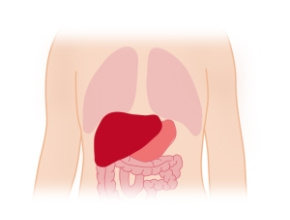
Tak, należy wykonać badanie przesiewowe w kierunku kiły, podobnie jak innych chorób z grupy TORCH (toksoplazmoza, parwowirus B19, różyczka, cytomegalowirus i wirusy z grupy herpes). Objawy, takie jak żółtaczka, powiększenie wątroby i śledziony, mogą nasuwać podejrzenie kiły wrodzonej.
Piśmiennictwo:
1. Kwak J., Lamprecht C.: A review of the guidelines for the evaluation and treatment of congenital syphilis. Pediatr. Ann., 2015; 44 (5): e108–1142. Uku A., Albujasim Z., Dwivedi T. i wsp.: Syphilis in pregnancy: the impact of “the Great Imitator”. Eur. J. Obstet. Gynecol. Reprod. Biol., 2021; 259: 207–210
3. King A., Nicol C., Rodin P.: Syphilis. (W:) King A. (red.): Venereal Diseases. 4th ed. London, ELBS and Bailliere Tindal, 1980; 104–132
4. Janier M., Unemo M., Dupin N. i wsp.: 2020 European guideline on the management of syphilis. J. Eur. Acad. Dermatol. Venereol., 2021; 35 (3): 574–588
5. Workowski K.A., Bachmann L.H., Chan P.A. i wsp.: Sexually transmitted infections treatment guidelines, 2021. MMWR Recomm. Rep., 2021; 70 (4): 1–187
6. Wojas-Pelc A., Pastuszczak M., Serwin A.B. i wsp.: Syphilis. Diagnostic and therapeutic recommendations of the Polish Dermatological Society. Part 1: early and late syphilis. Dermatology Review/Przegląd Dermatologiczny, 2018; 105 (5): 563–581
7. Wojas-Pelc A., Pastuszczak M., Serwin A.B. i wsp.: Syphilis. Diagnostic and therapeutic recommendations of the Polish Dermatological Society. Part 2: neurosyphilis, syphilis in pregnancy and congenital syphilis. Dermatology Review/Przegląd Dermatologiczny, 2018; 105 (5): 582–592
8. Wojdała E.: Kiła. Czelej, Lublin, 2018